This tester is specific to K-Jetronic V8 engines due to the special fittings and adapters it includes. These included M116 and M117 engines in the W116, R107, and early W126 chassis. The tester itself may work with other Bosch CIS fuel injection systems, but the included fittings to attach the hoses to the engine will most likely not work. Kent believes strongly in doing the tests with the engine NOT running, so he has developed two special jumper leads to allow you to do just that..
Product Details
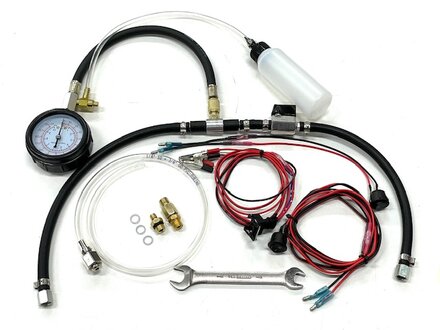
The kit includes the following:
- CIS fuel injection tester with a multi-function shut-off valve
- Correct fittings to attach to the fuel distributor and the WUR
- Jumper leads to run the fuel pump with the engine off
- Jumper leads to heat the WUR without running the engine
- Thin 14mm wrench for attaching the tester fittings
- Special hose for completing the fuel flow test
- Video instructions
The included video instructions will cover hooking up the tester, running the tests, theory of operation, diagnosing the warm-up regulator, and a link to other resources Kent recommends to help you repair the problems you may discover.
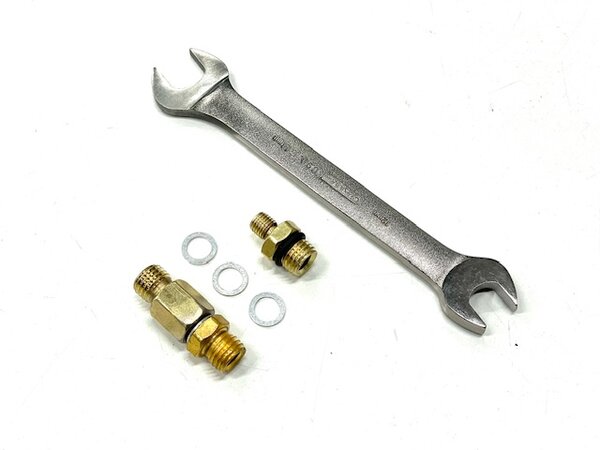
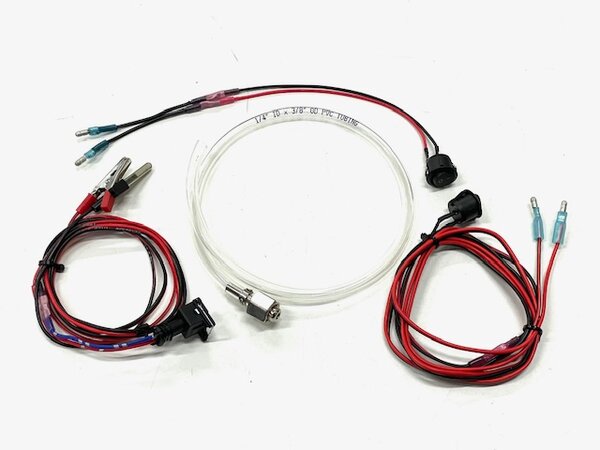
FOUR EXTRAS will be included with this kit to increase the ease and accuracy of your tests.
- 12-volt power test lead for the warm-up regulator
- Hose and fitting to attach to the fuel distributor for the fuel flow test
- Short switched jumper lead to use on the W116, W123, and W126 with a relay near the firewall.
- Long 5-foot jumper lead for the fuel pump relay in the R107 ( relay is behind glove box ).
Do you have more than one Mercedes requiring different pressure testers? Are you not sure which one to order? Be sure to check out my ALL-IN-ONE kit that will test almost everything from the early 1970s to the late 1990s. See the related products below.
Related Products:
M110 6-Cylinder Fuel Injection Pressure Tester with Instructions
Why do a fuel system flow and pressure test? Without one, you will not know if your fuel injection is working properly. This is even more pronounced on K-Jetronic engines that incorporate a warm-up regulator. And guess where that is located on the M110 engine?
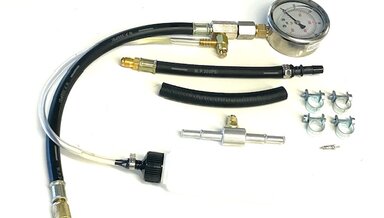
1970 to 1975 3.5 4.5 D-Jetronic Fuel Injection Pressure Tester w/ Video Instructions
Testing fuel pressure is a simple procedure on the D-Jetronic engines, but it is ABSOLUTELY essential. If your fuel pressure is off even a few pounds, it will dramatically change the fuel mixture, and your engine will end up running too rich or too lean.
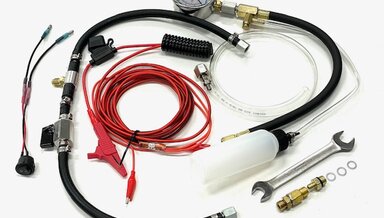
1986 to 1993 V8 and 6-Cyl KE-Jetronic Fuel Injection Tester w/ Extras
This tester is designed specifically for 6- and 8-cylinder engines with KE-Jetronic fuel injection. (will NOT work on the 2.3-liter four-cylinder engine). Instructions will also be provided so you can do a fuel pressure test on the LH-Jetronic fuel-injected engines of the 90s.
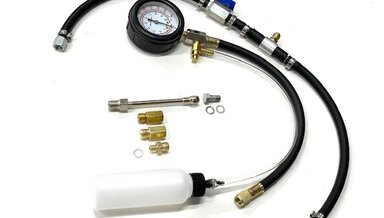
Ferrari, Porsche, DeLorean, VW Bosch K-Jet Fuel Injection Pressure Tester - NRTU
The challenge of getting my tester to work on these engines comes down to the fittings needed to attach the test
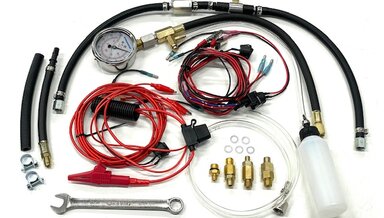
All-In-One 1970 to 1997 Bosch Fuel Injection Pressure Tester w/ Lots of Extras
New in April of 2026. This is the "whole ball of wax," including 10 free on-demand training videos. Kent put this kit together for those enthusiasts who own multiple classic Mercedes from the 1970s through the 1990s. Fuel Injection back then was not as reliable as it is now.
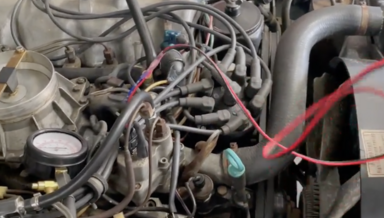
How to Use the K-Jetronic WUR Diagnostic Test Kit - On Demand Video
In this 14-minute video Kent will show you how to use each item in this kit to help to test your K-Jetronic fuel injection system to determine if your warm-up regulator is working properly. No full testing or repair information is included in this video.
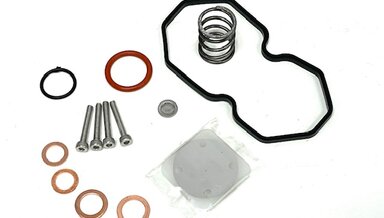
Early K-Jetronic NON Vacuum Type Warm Up Regulator Rebuild Kit
This WUR is very simple in design and has no internal diaphragms. It is also quite short compared to the other types. No instructions are included, but they are readily available on the internet by doing some Google searches.
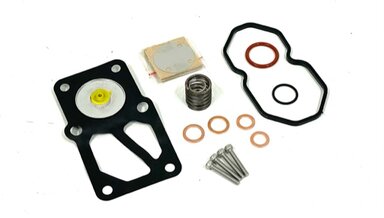
K-jetronic Warm Up Regulator WUR Single Vacuum Rebuild Kit
IF YOU ORDER THIS IN ERROR, IT IS NOT RETURNABLE. Watch the video below to determine which WUR you have BEFORE ordering. This ONLY works on single vacuum units!!! You will find the quality of this kit is impressive, and it has things in it that other kits do not have.
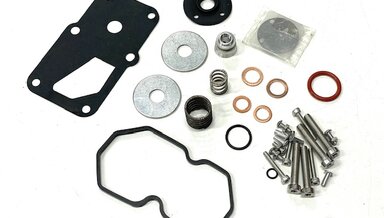
K-jetronic Warm Up Regulator WUR Double Vacuum Rebuild Kit
This WUR has two vacuum connections on the bottom. This style of WUR started showing up in the late 1970's. It was not installed on all vehicles. You have to look at the WUR on your engine to determine what you have.
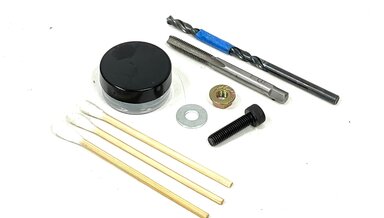
K-jetronic Warm Up Regulator Cold Start Modification Kit w/ Video Instructions
Before you make this modification, you should be very familiar with the function of the WUR and how its pressure adjustments affect the performance of the K-Jetronic fuel injection systems. The tools and supplies offered in this kit will allow you to modify your warm-up regulator at home and in y
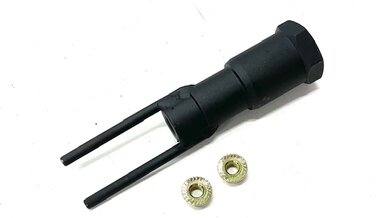
K-Jetronic Warm-Up Regulator Pressure Adjusting Tool w/ Instructions
This tool will make it easier to remove and/or adjust the fuel cell without damaging the housing.